
Quality Controls
AI in quality control for oil & gas construction in Alberta — a development blog by AIMQC — aimqc.com
quality-controls
 David Olsson
The Form Engine: JSON Schemas, ZIP Packages, and Five Scopes of Inspection Forms
QC forms are not generic. A transmittal form, a daily report, an NCR, and a calibration record all have different fields, different signatures, different validation rules. We built a JSON-schema-driven form engine that handles all of them — and lets clients bring their own templates.
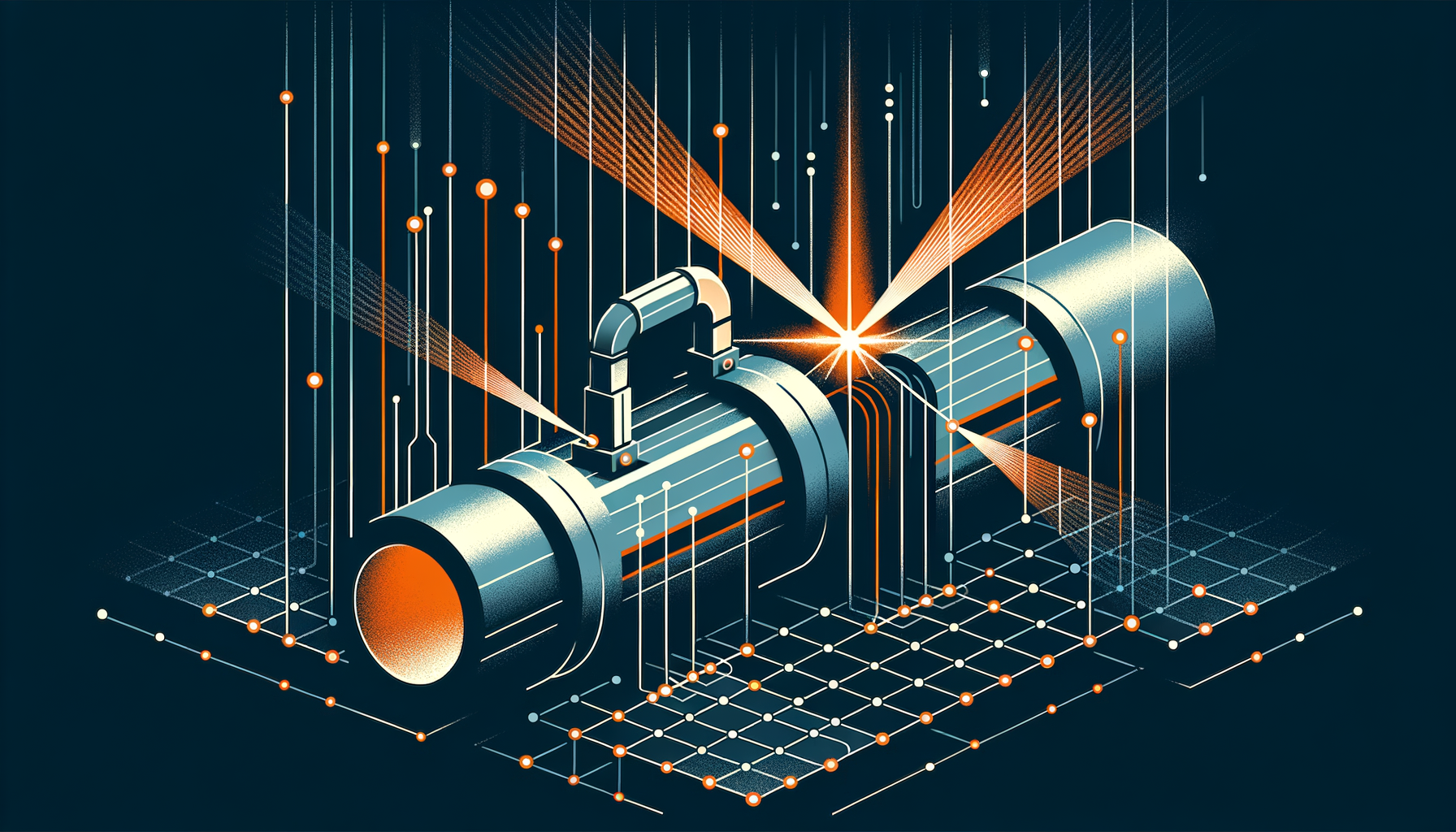
Welding and NDE: Tracking Every Joint from Procedure to Final Report
Every pressure weld in Alberta must be traceable: who welded it, under which approved procedure, with what NDE result. When that traceability chain breaks, the system cannot be turned over. Here is how AIMQC tracks it end to end.

Giving the AI Access to Your QC Manual: Vector Stores and Tool-Calling for Inspection Queries
An inspector should be able to ask "what is the hold point requirement for this weld type?" and get an answer from their company's QC manual — not a generic one from the internet. Here is how we built per-organization AI knowledge bases.
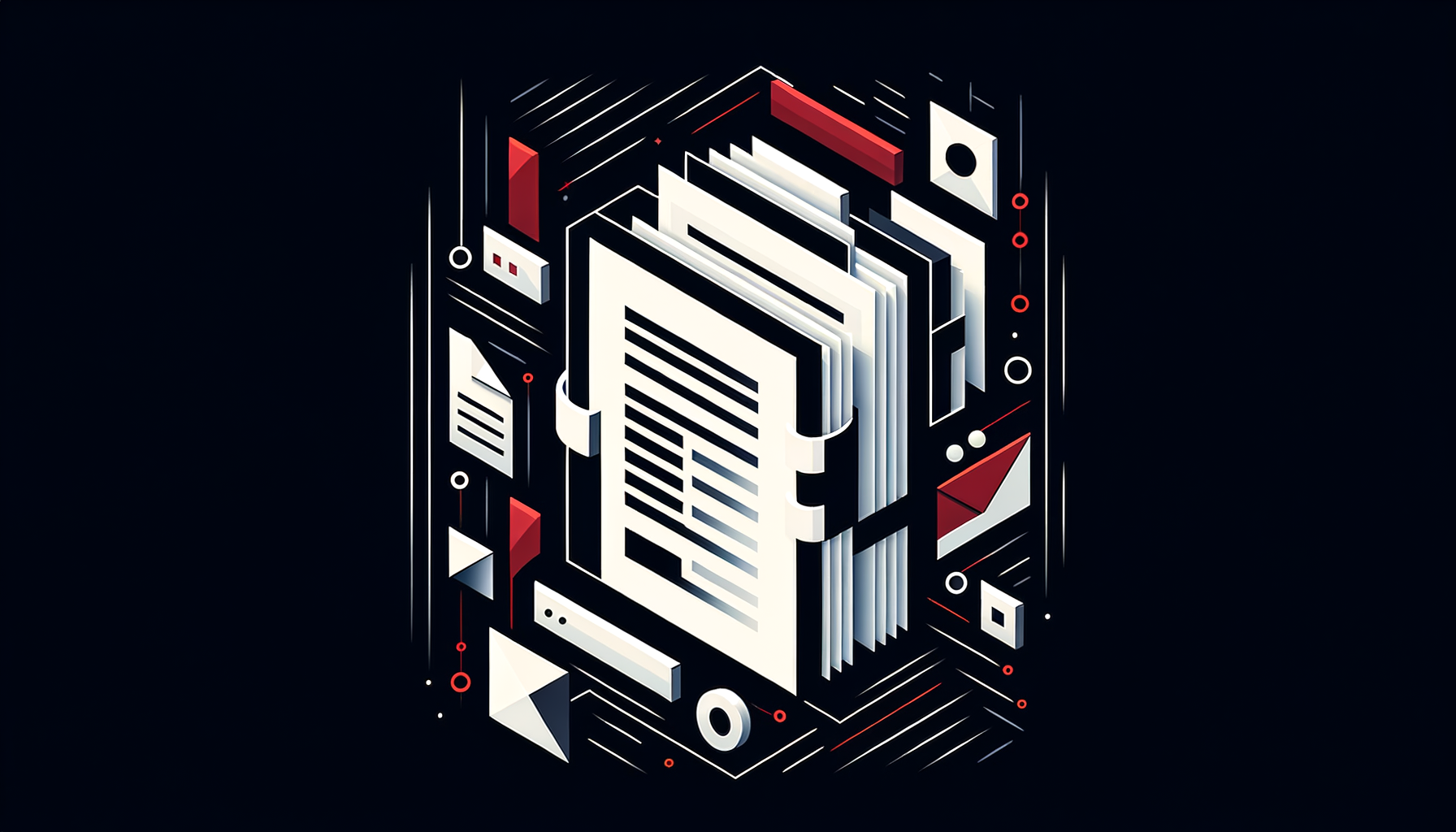
PDF Reports That Match the Binder: Generating Inspection Documents Clients Actually Accept
Clients reject inspection reports that do not match their binder format. The font, the logo placement, the signature line positions — these things matter. Here is how we generate PDFs that clients accept without revision.
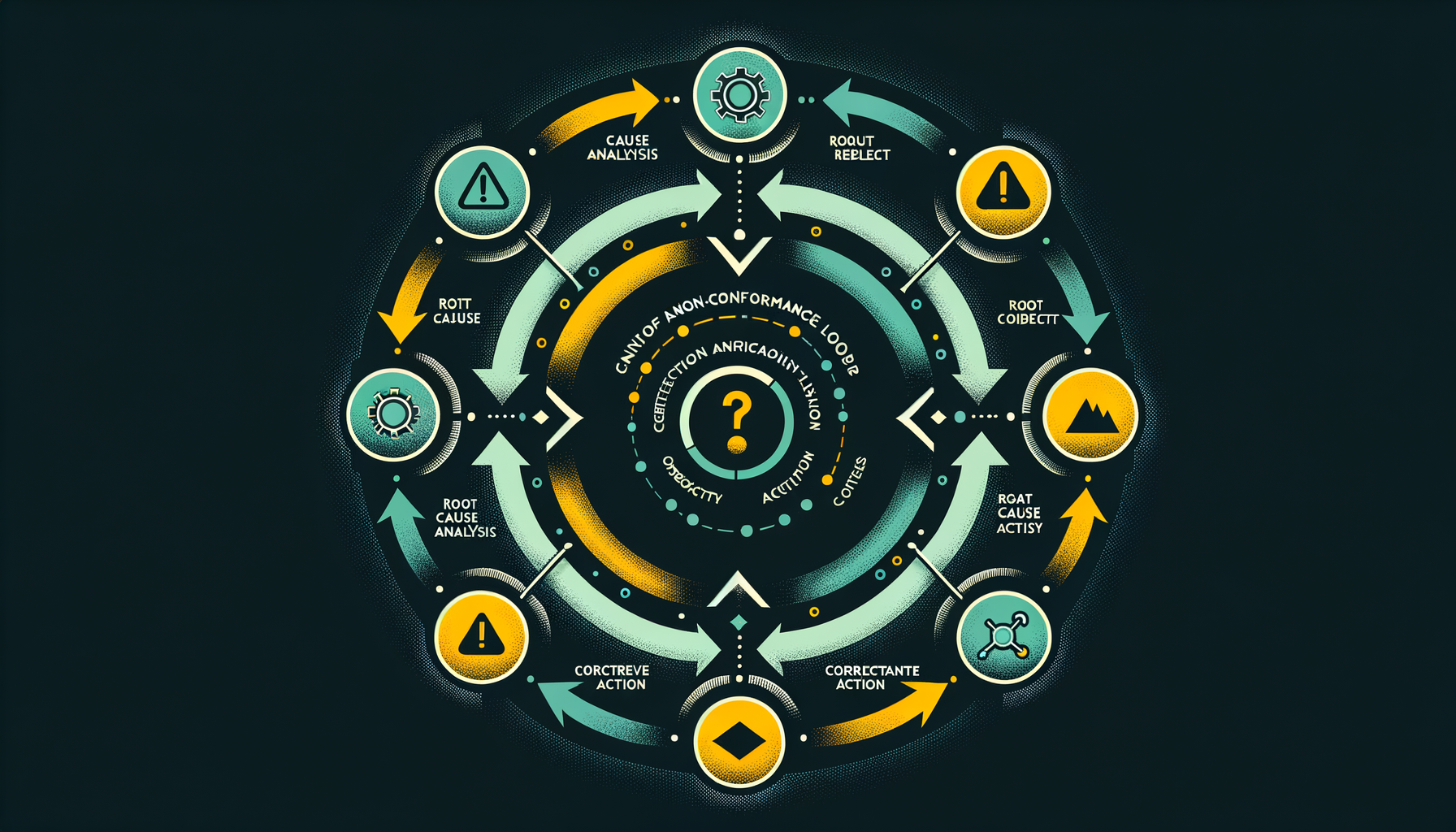
NCR to Root Cause to Fix: Closing the Non-Conformance Loop Digitally
A non-conformance report is not a punishment. It is the start of a loop: find the problem, understand why it happened, fix it, and verify the fix worked. On paper, that loop leaks. Here is how we built it as a closed digital workflow.
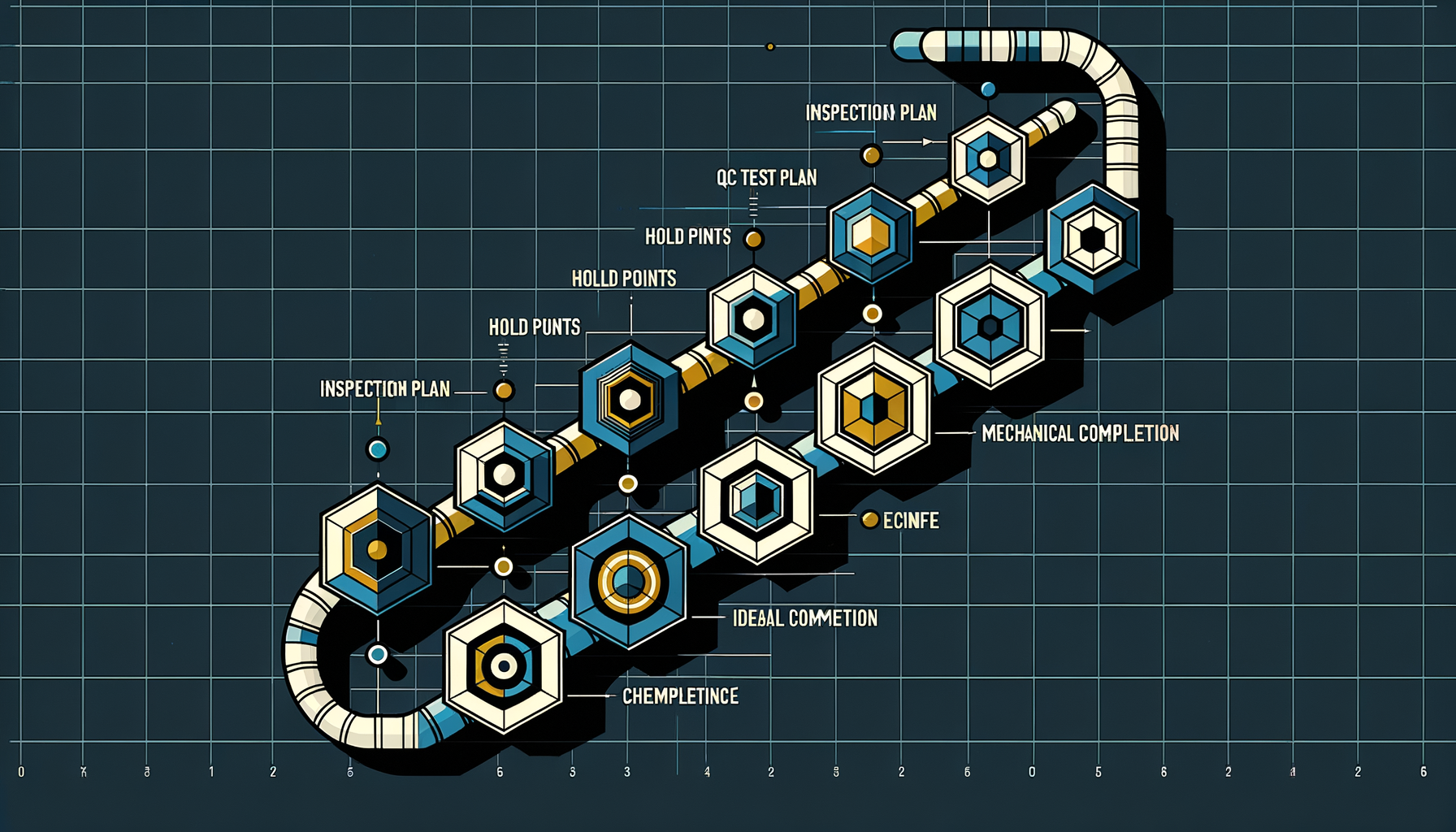
Modeling Alberta's QC Lifecycle: From ITP to Mechanical Completion
The AIMQC data model spans 12 phases of construction QC. Alberta has specific regulatory requirements — ABSA, AER, LSD coordinates, AB83 filings — that do not exist in generic QC software. Here is how we modeled the full lifecycle.
One Database, Many Companies: How ZenStack Policies Replace WHERE Clauses
Every QC record in AIMQC belongs to an organization. No company sees another's data. We enforce that not with manual WHERE clauses but with access policies baked into the schema. Here is how ZenStack makes that work.
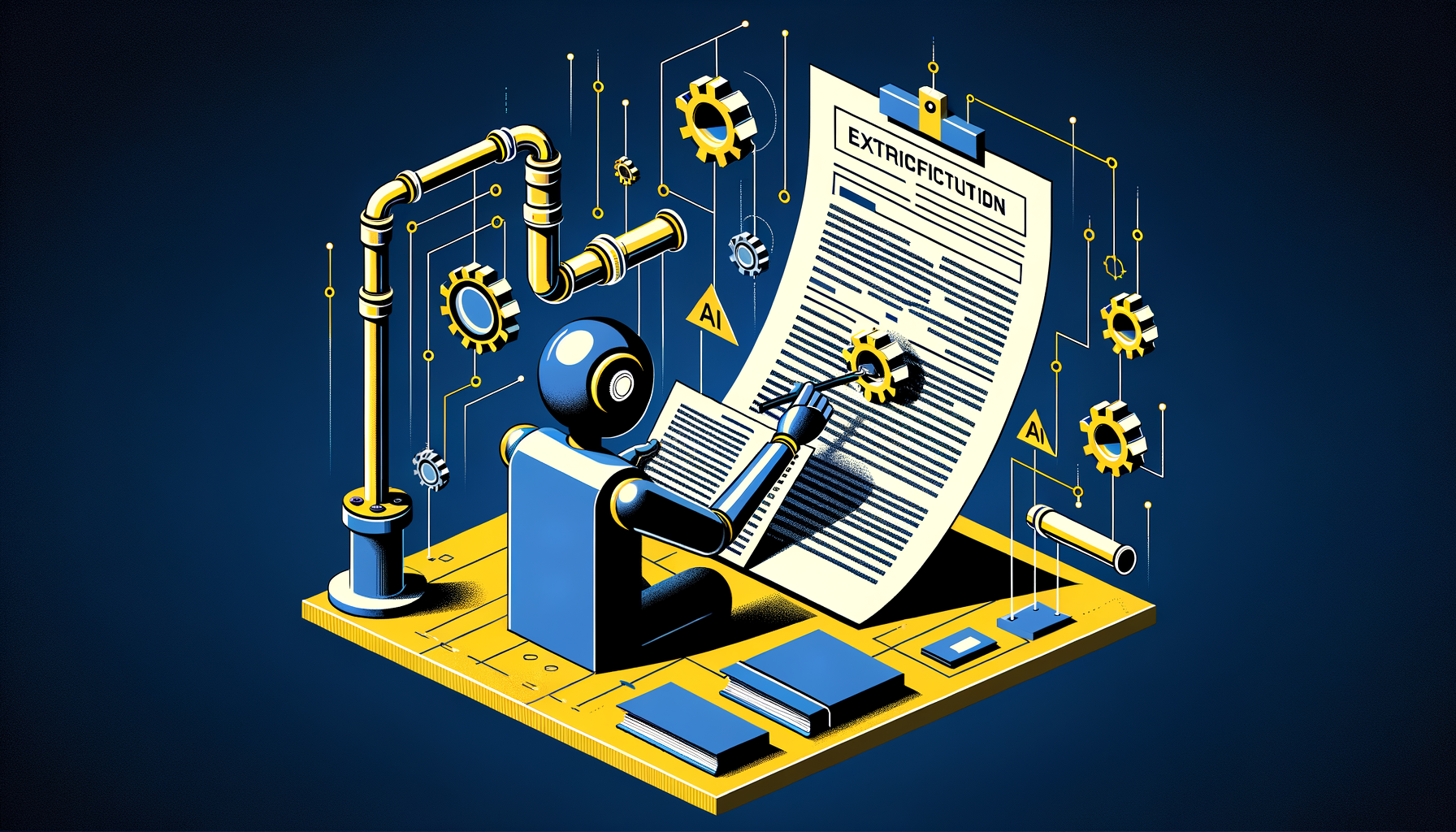
Teaching AI to Read Pipe Specs: Schema-Driven BOM Extraction
Getting an AI to extract a Bill of Materials from a piping drawing is not just a prompting problem. The domain is full of conventions that are not in any training dataset. We encoded that knowledge in a schema registry. Here is what that looks like.
From Stickers to Software: How the Drawing Stamp System Works
On site, QC inspectors mark up drawings with colored stickers — orange for torque, purple for weld, green for NDE. Each sticker references an inspection report. We digitized that workflow. Here is how it works under the hood.
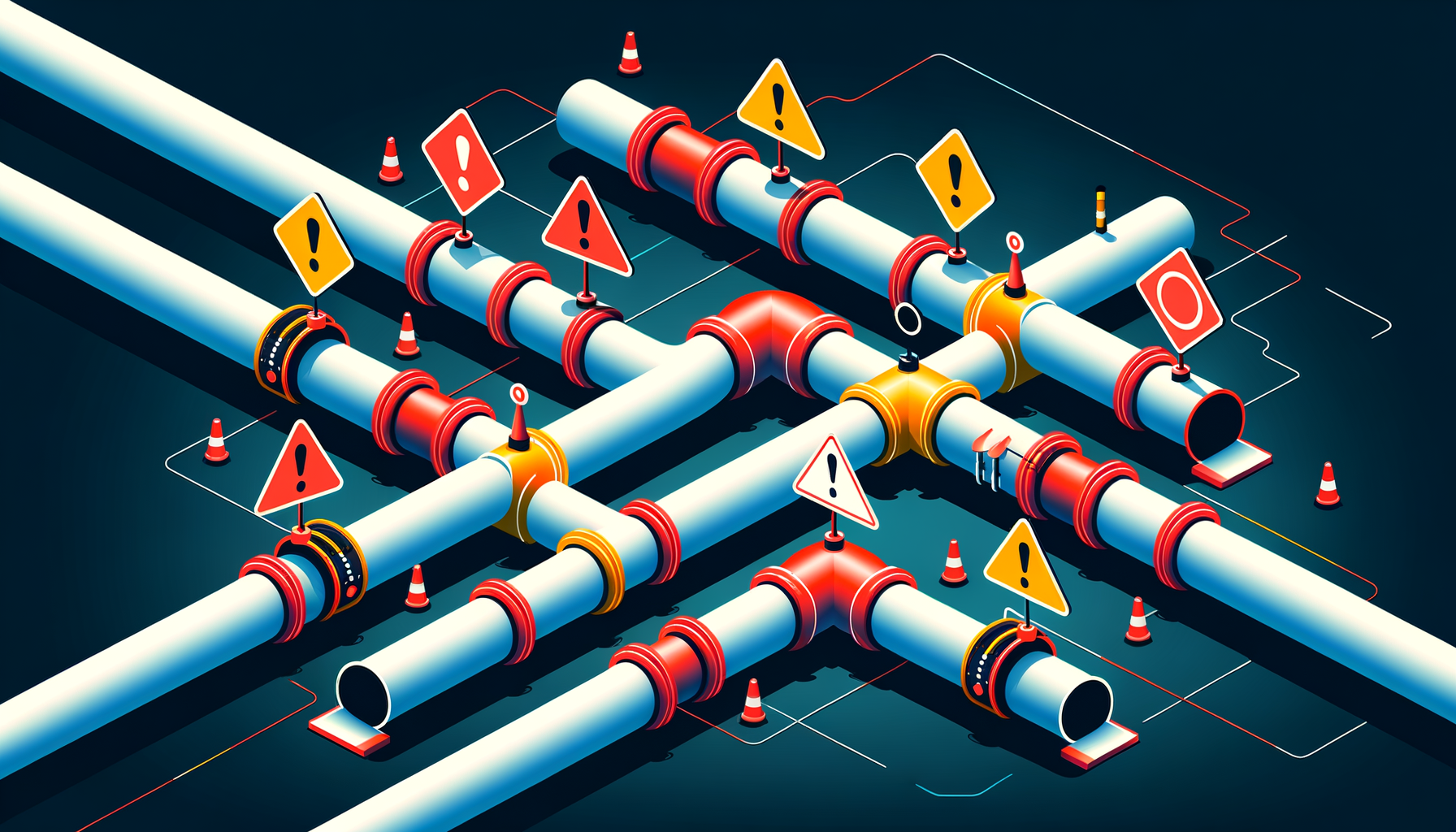
Hold Points That Actually Hold: Digitizing Alberta's Mandatory Inspection Gates
A hold point is a legal stop in the work sequence. Nothing proceeds until an authorized inspector signs off. The paper version of this gate leaks. Here is how we encoded it as software.

Structure Enables Quality: What MCPs and IDE Workflows Can Learn from O&G QA/QC
In oil & gas construction, structured reporting isn't bureaucracy—it's the mechanism that ensures quality execution in the field. The same principle applies to IDE workflows: MCPs, agents, skills, and rules aren't just tools, they're quality controls for your development process.
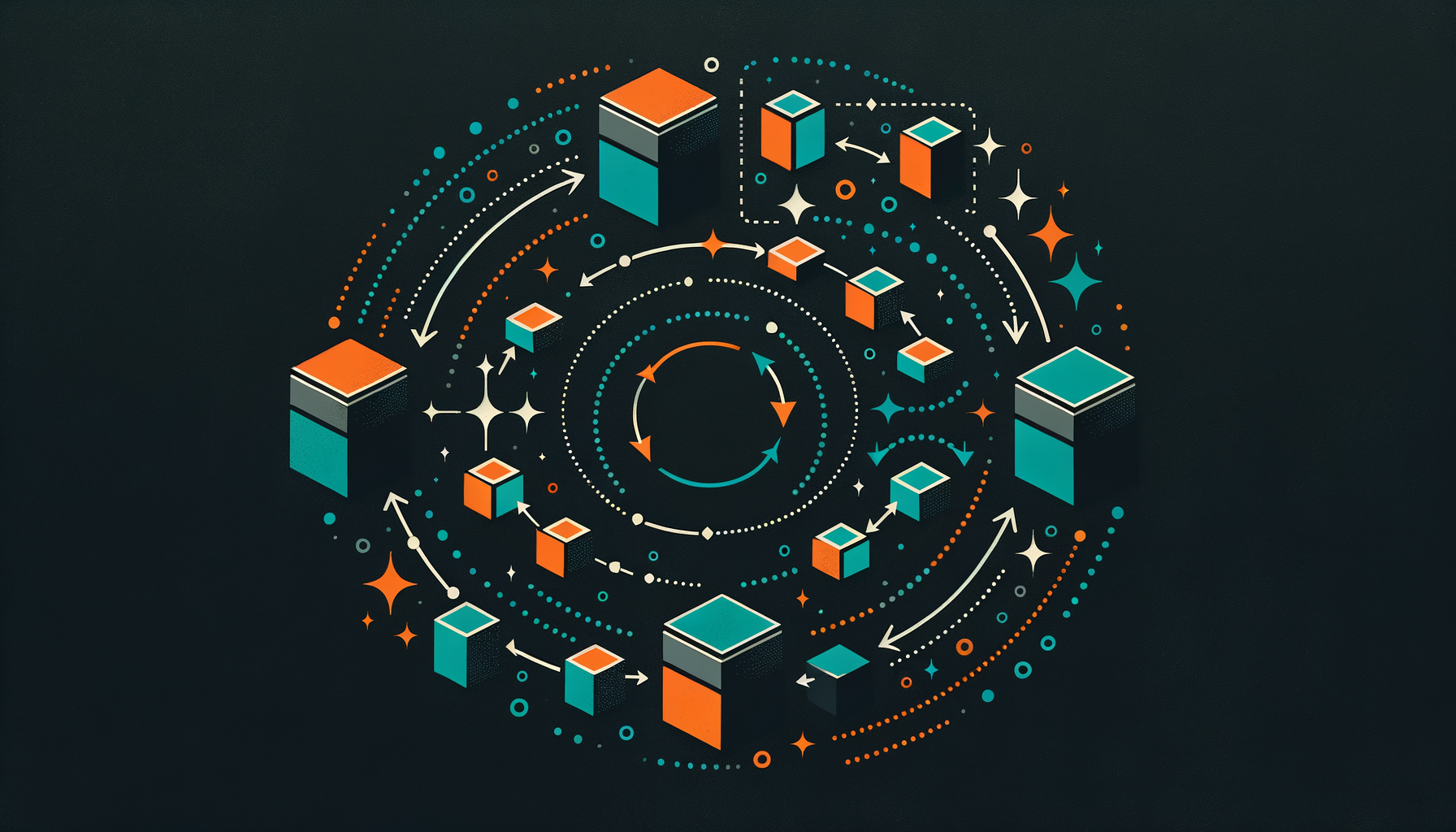
Boxes, Arrows, and the Cycle That Connects Them: How AIMQC Maps Data to Action
Some systems are best understood by reading them. Others are better shown. AIMQC sits in the second category — because the relationships between its parts are the point. The boxes matter less than the arrows.
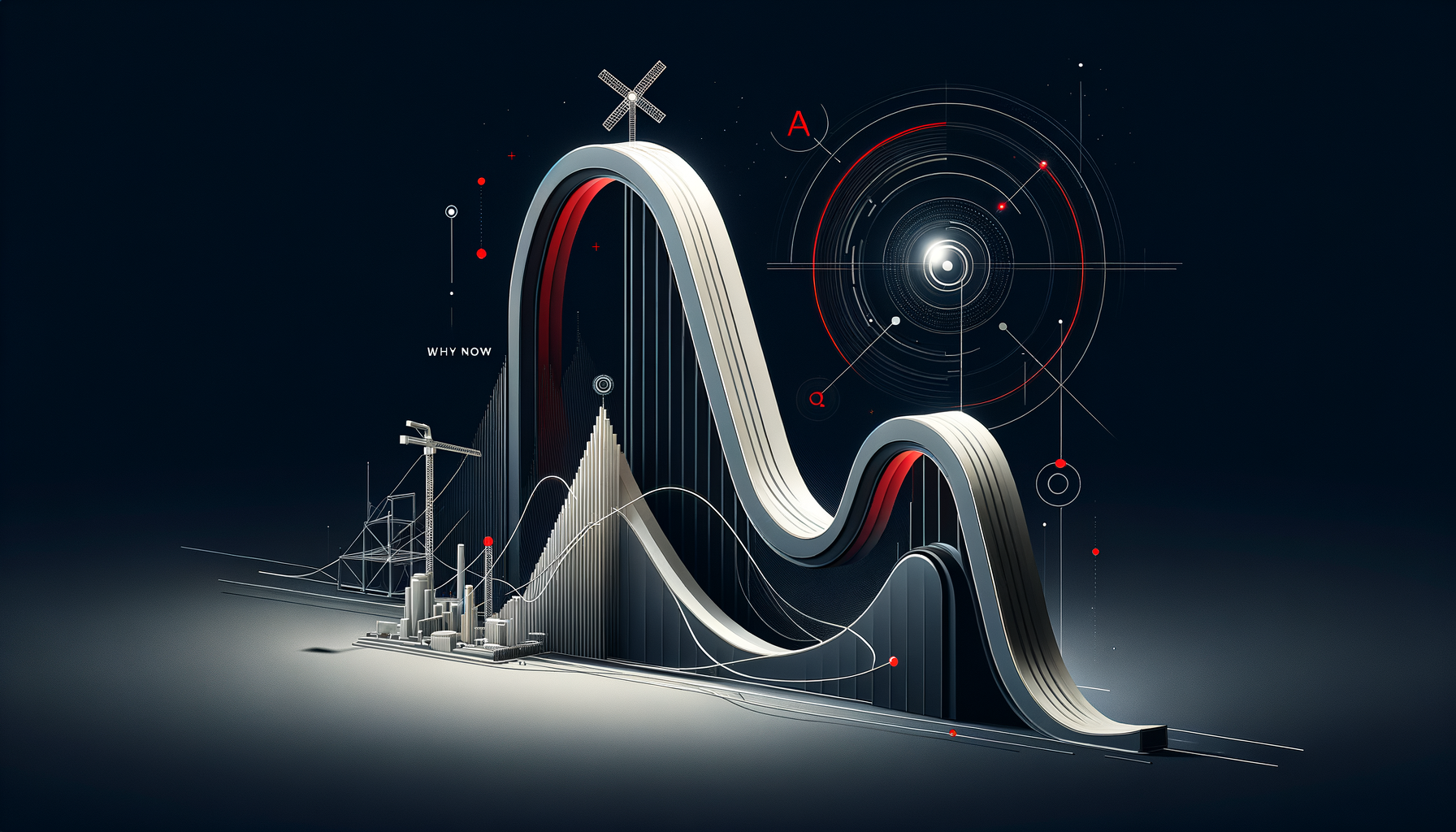
Why AIMQC, Why Now, Why This Design
There is a window right now where a specific kind of software can be built and it cannot be built again later. We are building AIMQC in that window, and the design reflects what we think is true about this moment.

Under the Hood: Canonical QC Objects, APIs, and Why Boring Integration Is the Goal
The best AI integration story is a boring one. An agent reads a well-typed object, proposes an action, and the system either accepts or rejects it at the same gate a human would hit. That is the design philosophy behind AIMQC's data layer.
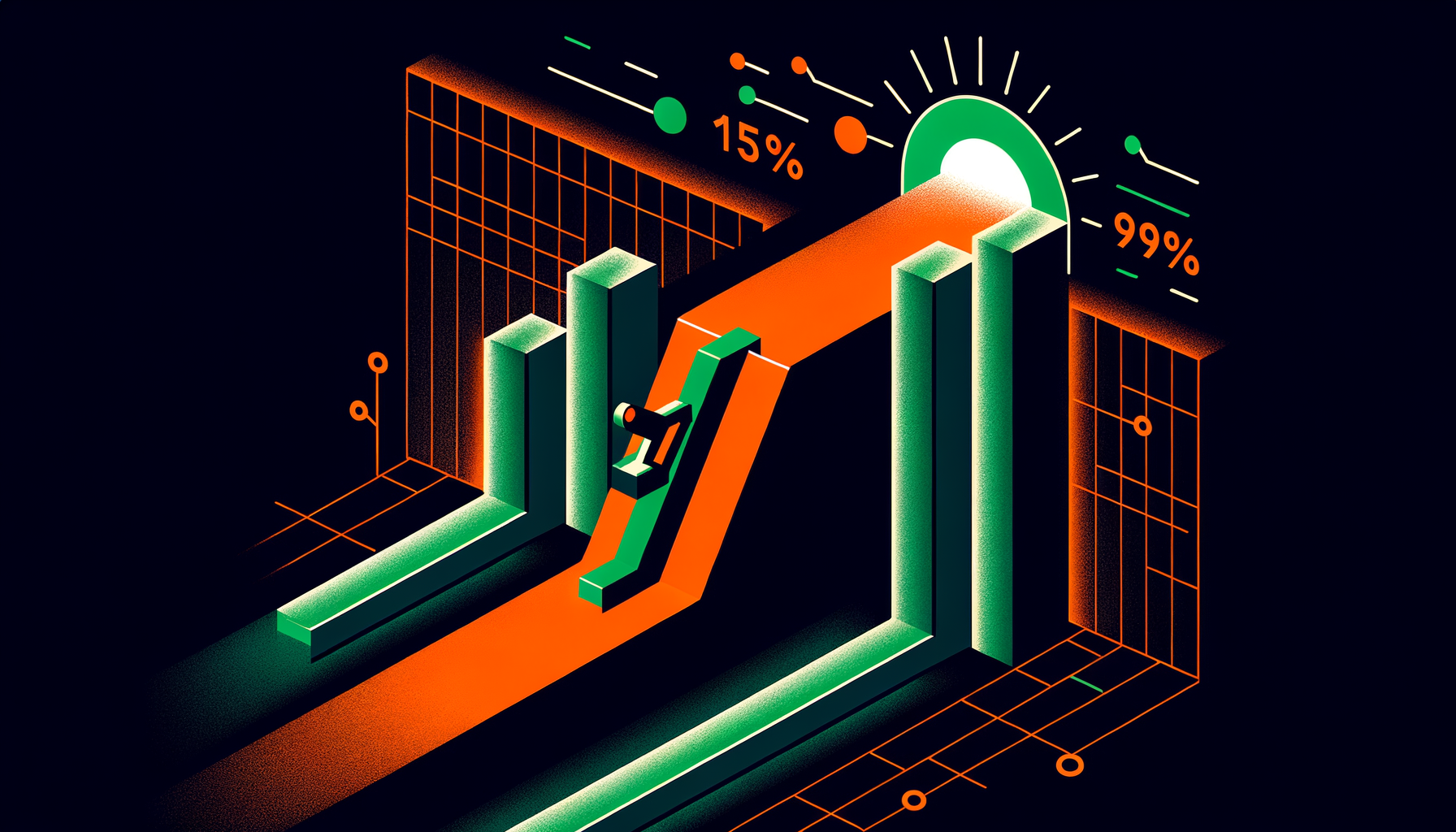
From 15% to 99%: Why Manual QC Verification Caps Out
Most QC programs on major construction projects verify somewhere between 10 and 20 percent of the inspection evidence they are supposed to hold. Not because anyone planned it that way. Because verification at scale, done manually, is physically impossible within any normal project budget.

Alberta O&G Construction QC: Fragmentation, Turnover, and Why the Office Cannot Carry the Load Alone
A pipeline project closes out with thousands of welds and hundreds of inspection records. The QC office was busy every day. And yet nobody can quickly answer which ITRs are outstanding. This is not a failure of effort. It is a failure of structure.
Introducing Quality Controls
A development blog about AIMQC — AI-powered quality control for oil & gas construction in Alberta. We'll be writing about the technical nature of building a compliance-first, AI-enabled QC platform.
subscribe